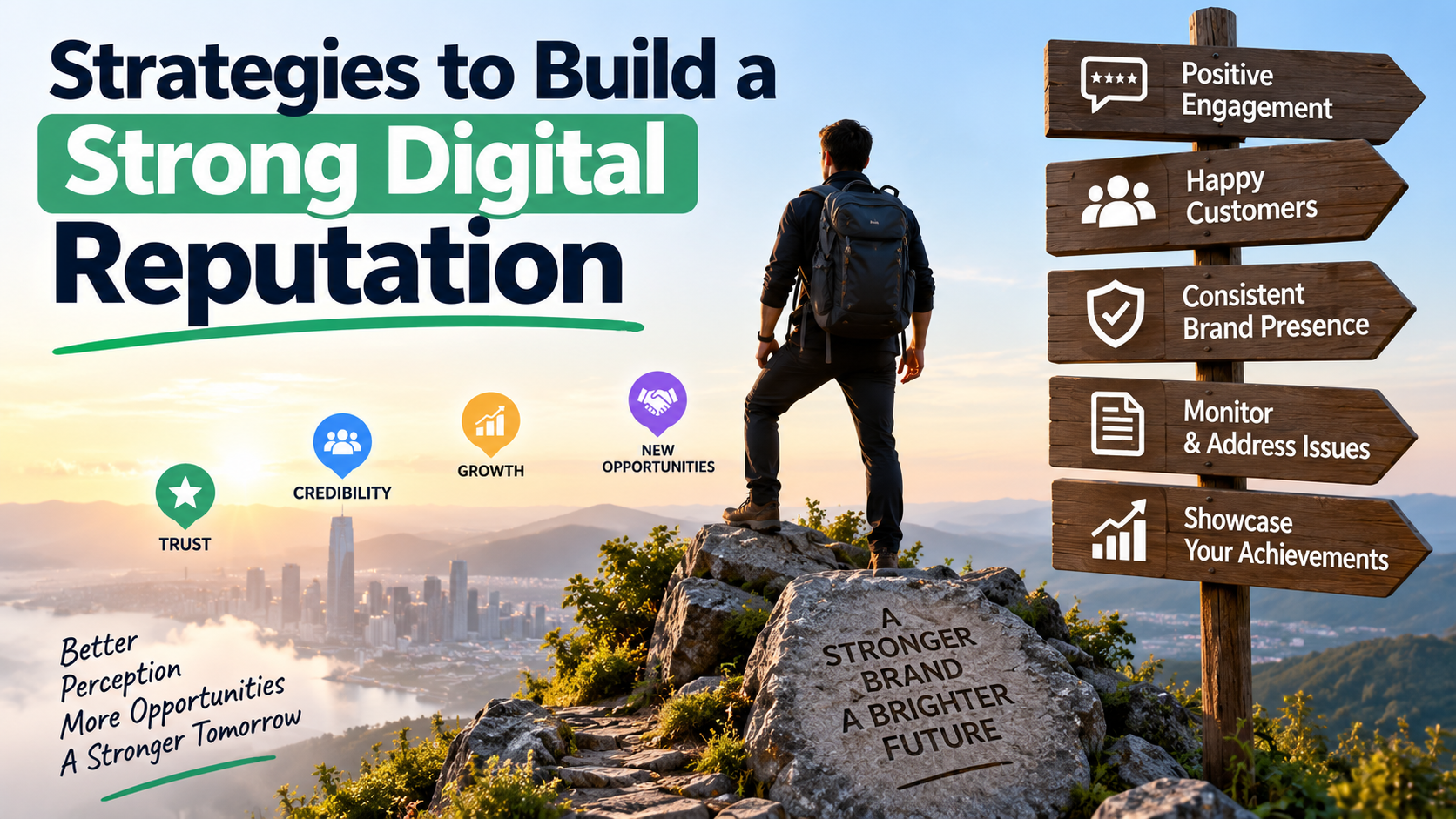
A strong digital reputation is one of the most valuable assets a business can have. Before making a purchase, hiring a service provider, or applying for a job, many people research brands online. They read customer reviews, visit company websites, explore social media profiles, and review search engine results to determine whether a business is trustworthy.
Your digital reputation is shaped by everything people find online about your brand. Positive customer experiences, high-quality content, professional communication, and transparent business practices all contribute to a trustworthy online presence. Building a strong reputation requires consistent effort, but the long-term benefits include greater customer confidence, stronger brand credibility, and sustainable business growth.
This guide explores practical strategies businesses can use to build and maintain a strong digital reputation.
Why Digital Reputation Matters
A positive online reputation influences how customers, partners, and job seekers perceive your business.
A strong reputation can help:
- Build customer trust
- Increase brand credibility
- Improve customer retention
- Support lead generation
- Enhance search visibility
- Attract talented employees
- Strengthen competitive advantage
- Encourage business growth
Customers are more likely to choose businesses they trust.
Deliver Outstanding Customer Experiences
The foundation of every strong reputation is excellent customer service.
Focus on:
- Prompt communication
- Friendly support
- Reliable products
- Consistent service quality
- Fast problem resolution
- Transparent policies
Satisfied customers are more likely to recommend your business and leave positive reviews.
Encourage Authentic Customer Reviews
Honest customer feedback strengthens credibility and helps future customers make informed decisions.
Businesses should:
- Politely ask satisfied customers for reviews
- Make the review process simple
- Thank customers for their feedback
- Respect platform guidelines
- Never pressure customers to leave positive reviews
Authentic reviews carry more value than manipulated ratings.
Respond to Reviews Professionally
Whether feedback is positive or negative, thoughtful responses demonstrate professionalism.
Best practices include:
- Thank customers for their reviews
- Acknowledge concerns respectfully
- Offer solutions when appropriate
- Stay calm and professional
- Avoid public arguments
Your responses are visible to future customers and contribute to your overall reputation.
Monitor Your Online Presence
Regular monitoring allows businesses to identify issues before they become larger problems.
Monitor:
- Google search results
- Customer reviews
- Social media mentions
- Business directories
- News articles
- Industry forums
Early awareness supports faster and more effective responses.
Maintain Accurate Business Information
Customers expect accurate and consistent information across every online platform.
Keep your:
- Business name
- Address
- Phone number
- Website
- Business hours
- Product details
- Service descriptions
updated wherever your business is listed.
Create Valuable Content
Publishing useful content helps establish your business as a trusted source of information.
Content may include:
- Blog articles
- Industry guides
- Frequently asked questions
- Educational resources
- Case studies
- Videos
Helpful content builds authority while improving search visibility.
Strengthen Your Website
Your website often serves as the first impression of your business.
A professional website should include:
- Clear navigation
- Mobile-friendly design
- Fast loading speeds
- Secure browsing
- Updated information
- Easy contact options
A high-quality website reinforces customer confidence.
Build Brand Authority
Authority grows when businesses consistently demonstrate expertise.
Ways to strengthen authority include:
- Sharing industry knowledge
- Publishing expert insights
- Speaking at events
- Participating in professional organizations
- Contributing educational content
- Earning media coverage
Authority increases credibility and customer trust.
Use SEO to Improve Visibility
Search engine optimization helps customers discover accurate information about your business.
Focus on:
- High-quality content
- Relevant keywords
- Internal linking
- Technical SEO
- Quality backlinks
- Optimized local listings
Strong SEO supports long-term reputation management.
Stay Active on Social Media
Social media allows businesses to connect directly with customers.
Use social platforms to:
- Share updates
- Answer questions
- Respond to comments
- Highlight customer success stories
- Showcase company culture
- Publish educational content
Consistent engagement helps humanize your brand.
Handle Negative Feedback Constructively
Negative feedback is a normal part of doing business.
When criticism appears:
- Read it carefully.
- Verify the facts.
- Respond professionally.
- Resolve legitimate concerns.
- Learn from customer feedback.
Constructive responses often improve public perception.
Protect Your Brand Identity
Protecting your brand involves maintaining consistency across every digital channel.
Ensure consistency in:
- Branding
- Messaging
- Visual identity
- Customer communication
- Business information
- Marketing materials
A consistent brand creates stronger recognition.
Train Your Team
Employees influence your reputation every day.
Provide training on:
- Customer service
- Professional communication
- Complaint handling
- Brand values
- Online conduct
- Company policies
Well-trained employees help deliver consistent customer experiences.
Build Long-Term Customer Relationships
Strong customer relationships encourage loyalty and advocacy.
Focus on:
- Listening to customers
- Providing ongoing support
- Following up after purchases
- Rewarding customer loyalty
- Maintaining open communication
Loyal customers often become your strongest promoters.
Learn From Customer Feedback
Customer feedback provides valuable business insights.
Use reviews and suggestions to improve:
- Products
- Services
- Customer support
- Internal processes
- Communication
- Overall customer experience
Continuous improvement strengthens long-term reputation.
Avoid Reputation Management Mistakes
Businesses should avoid:
- Buying fake reviews
- Ignoring customer complaints
- Responding emotionally
- Making misleading claims
- Inconsistent communication
- Neglecting online monitoring
Ethical business practices build lasting trust.
Create a Reputation Management Plan
An effective reputation strategy should include:
- Regular monitoring
- Review management
- Customer engagement
- Content creation
- SEO improvements
- Social media activity
- Crisis response planning
- Continuous service improvement
A proactive plan helps businesses respond confidently to challenges.
Benefits of a Strong Digital Reputation
Businesses with a positive digital reputation often experience:
- Greater customer confidence
- Higher conversion rates
- Better customer retention
- Stronger search visibility
- Increased referrals
- Improved employer branding
- Greater competitive advantage
- Sustainable long-term growth
Trust is one of the most valuable business assets.
Conclusion
Building a strong digital reputation requires more than simply collecting positive reviews. It involves consistently delivering outstanding customer experiences, maintaining transparent communication, publishing valuable content, monitoring online conversations, and responding professionally to feedback. Every interaction contributes to how customers perceive your business.
By focusing on authenticity, customer satisfaction, ethical review management, and continuous improvement, businesses can establish a trusted online presence that supports long-term success. A strong digital reputation not only attracts new customers but also strengthens loyalty, enhances brand credibility, and creates a lasting competitive advantage.
Frequently Asked Questions (FAQs)
What is a digital reputation?
A digital reputation is the overall perception of a business based on its online presence, including customer reviews, search results, social media activity, website content, and public mentions.
Why is a strong digital reputation important?
A positive digital reputation helps build customer trust, improve brand credibility, increase sales opportunities, strengthen search visibility, and support long-term business growth.
How can businesses improve their online reputation?
Businesses can improve their reputation by delivering excellent customer service, encouraging authentic reviews, responding professionally to feedback, publishing valuable content, monitoring their online presence, and maintaining accurate business information.
Does SEO help build a digital reputation?
Yes. Search engine optimization helps customers find accurate and valuable information about your business, improving visibility and supporting a positive online presence.
How should businesses respond to negative reviews?
Businesses should respond respectfully, acknowledge legitimate concerns, offer solutions when appropriate, remain professional, and avoid emotional or defensive responses.
Is it safe to buy positive reviews?
No. Buying fake reviews may violate review platform policies and can damage a business’s credibility if detected. Authentic customer feedback is always the best approach.
What is the best long-term strategy for maintaining a strong digital reputation?
The most effective strategy is to consistently provide excellent customer experiences, monitor your online presence, respond professionally to feedback, publish helpful content, strengthen your website, and maintain ethical business practices.
Leave a Reply